
Why Did Iran Launch the First Attack This Time Amid the Ceasefire?
Iran has resumed fighting, ending the temporary calm in the Middle East. In the words of the United States, it was a “sudden” attack.
15 Aug 2026, 11:12 AM - Analysis
Trending
Analysis - 15 August 2026 - 11:25 AM
AI | File photo : Reuters
By Pratik Bardhan, Dhaka, Prothom Alo
The biggest concern around artificial intelligence, or AI, worldwide is how many people's jobs will be lost as a result of the widespread adoption and intensified use of this technology. However, the picture is somewhat different in developing countries.
A World Bank report said that AI could reduce employment in some sectors of developing countries. At the same time, AI could increase workers' productivity and create new job opportunities. However, these countries have a negligible role in the development of AI technology.
The big question is how prepared Bangladeshi institutions are for that change. This was stated in a World Bank report titled ‘World Development Report 2026: The Promise of Artificial Intelligence’. It said that around 4.5 percent of existing jobs in low- and middle-income countries have the potential to be fully automated by generative AI. The rate is 14.2 percent in high-income countries. In 16.2 percent of jobs in these countries, AI could play a supporting role in human work.
Jobs in sectors such as information and communication technology (ICT), finance and business services, where cognitive work is more prevalent, are relatively more amenable to automation through AI. However, relatively fewer people work in these sectors in developing countries. As a result, they are in a somewhat advantageous position.
In this context, it can be said that in countries like Bangladesh, the possibility of massive job losses due to the immediate impact of AI is low. Rather, the possibility of changes in the nature of work is greater.
Young people most at risk
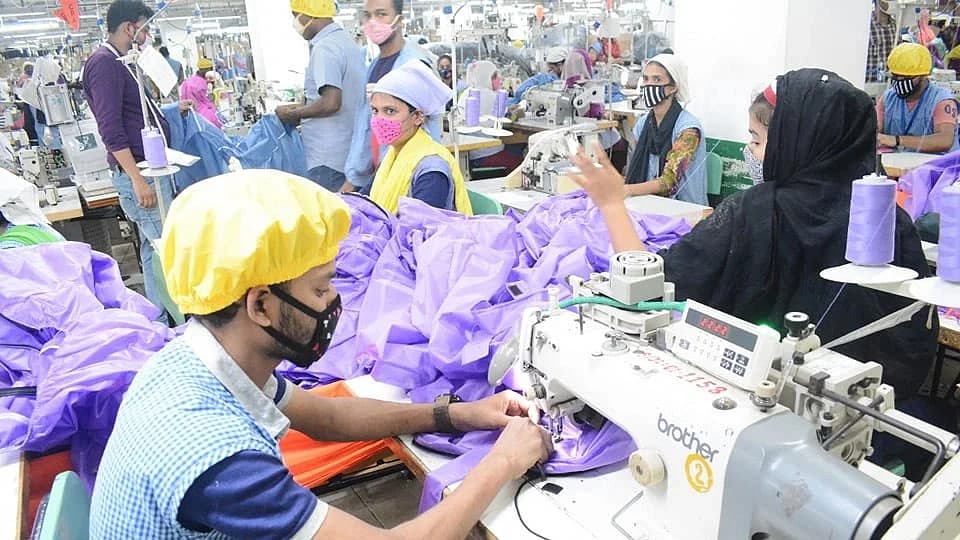
The impact of this change will not be felt equally in everyone's lives. The World Bank believes that young and medium-skilled workers in South Asia may be at risk.
The report said that after the arrival of ChatGPT, demand for jobs that are relatively easier to automate using AI has declined. However, the impact is much lower in low- and middle-income countries than in high-income countries.
Job postings declined in China after the introduction of generative AI. In India, job postings for decent jobs that are more suitable for being performed by AI declined after the introduction of generative AI. In other words, the high-skilled services sector is being affected. In this case too, young people have been affected more.
Benefits for small businesses
In low- and lower-middle-income countries, most people work in very small businesses. Around 90 percent of workers work in establishments with fewer than 10 employees. More than half of the people are self-employed. A large share of these small businesses are in agriculture, retail and accommodation and food services.
The report said that AI is creating new opportunities for small businesses. AI can make the messaging apps, business software and social media platforms they use more effective. As a result, small businesses can benefit from AI without making major technological investments.
Many small businesses in India, Jordan, Kenya, Mexico, Nigeria and Thailand have already started using AI chatbots for business purposes. In the United States, the rate is around one-quarter.
The report said that there are opportunities to increase productivity through AI even without advanced internet infrastructure. However, workers may need training to use AI effectively.
Bangladesh's success and what needs to be done
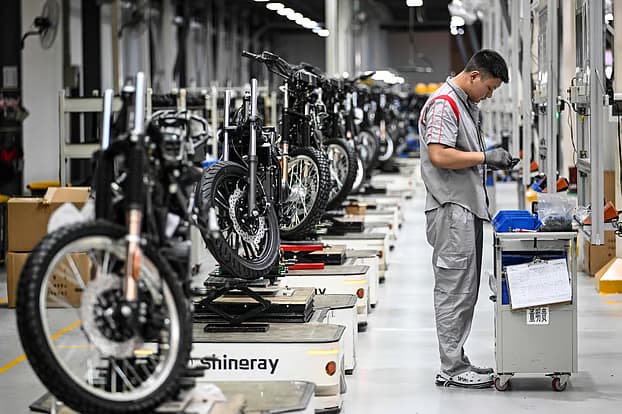
Bangladesh is not entirely behind in the use of artificial intelligence (AI). The World Bank report highlighted significant success in Bangladesh's healthcare sector. The use of AI-based medical imaging has increased screening for detecting diabetes-related eye complications by around 40 percent per day.
The foundation for government digital services has already been established in the country. That foundation can now also be used in the field of AI. Initiatives to use AI in agriculture, healthcare and citizen services have begun.
However, there are limitations alongside this success. An AI-based method for identifying poor families using mobile phone data was not successful. It did not even provide information as accurate as that obtained through conventional methods.
In this context, the World Bank believes that instead of directly using technologies from other countries, Bangladesh should test them in the local context and adapt them accordingly.
In addition, the institutional framework of the national AI policy needs to be made effective, regulatory and foreign exchange-related barriers to technology adoption by businesses need to be reduced, and digital infrastructure and skills need to be improved.
Canadian economist Jean-Louis Arcand spoke in a similar vein about the impact of AI at an event organized by private research institution SANEM in Dhaka. He said that economies with skill shortages could actually benefit relatively more from AI. This could help reduce the skills gap. However, an important condition is that the cost of adopting AI cannot vary greatly from country to country. In other words, the gap between rich and poor countries in benefiting from AI may arise not only because of differences in skills shortages, but also because of differences in the cost of adopting the technology.
According to Jean-Louis Arcand, ensuring digital infrastructure, internet connectivity, reliable electricity and supportive institutional investment for AI use is essential to benefiting from AI. His main message is that Bangladesh's skills shortage could create an opportunity to partially compensate for the gap through AI. However, to take advantage of that opportunity, emphasis must be placed on reducing the cost of adopting technology and building the necessary infrastructure.

Fear of losing jobs
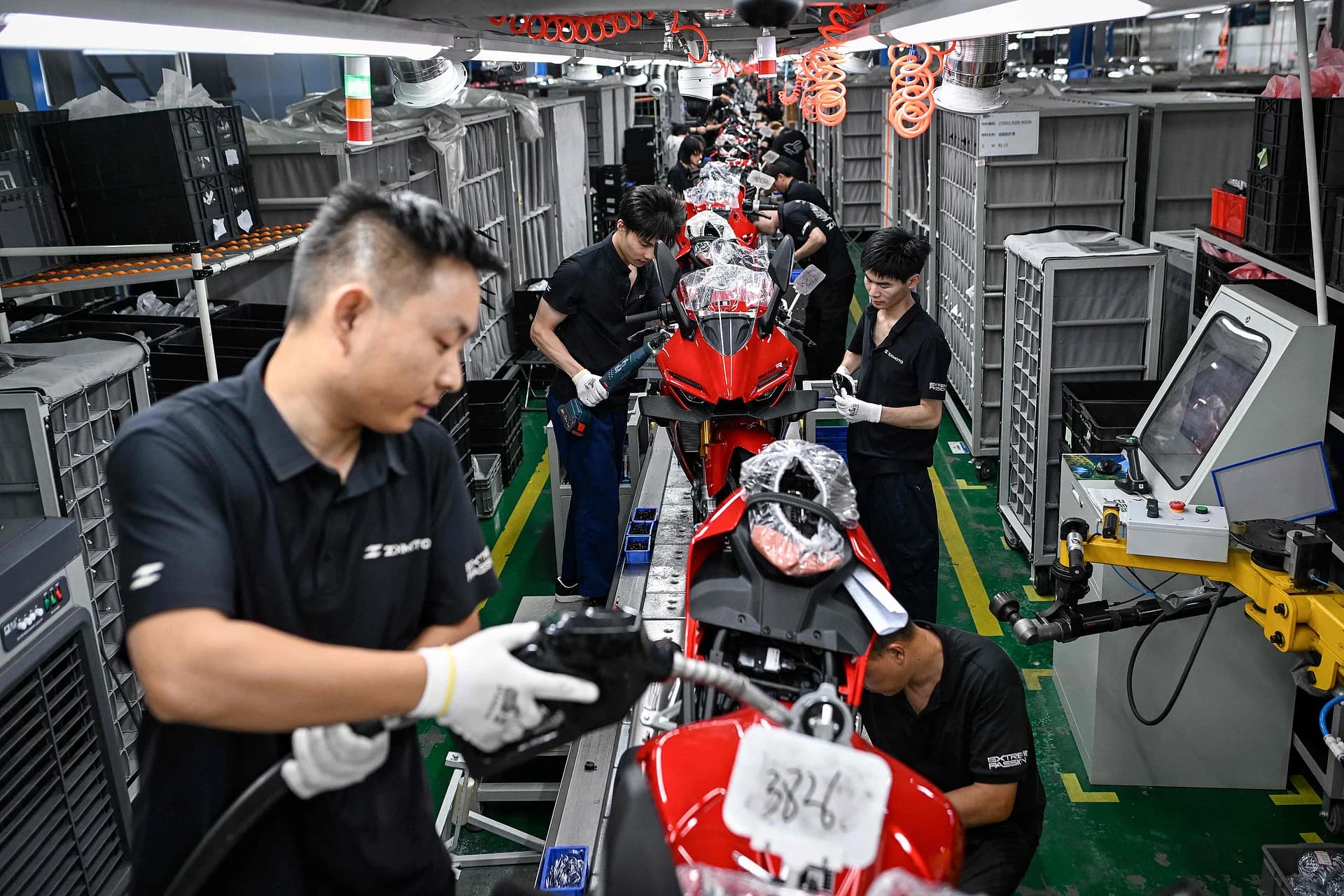
The rapid expansion of artificial intelligence (AI), automation and technology-driven production systems has put Bangladesh's labor market on the verge of major changes. Due to a lack of necessary policy preparedness, millions of workers in Bangladesh, particularly in the ready-made garment sector, could be at risk in the coming days, warned the research institution Centre for Policy Dialogue (CPD).
CPD's policy paper titled ‘Is Bangladesh Ready for the Future of Work’ said that Bangladesh's labor market is facing major changes. Production, particularly the ready-made garment sector, is coming under pressure from automation and technological change. Up to 1.22 million jobs in the ready-made garment sector are at risk due to automation. By 2041, the employment of around 60 percent of female garment workers could disappear.
The World Bank report said that these changes are being accompanied by LDC graduation, changes in global trade, climate change and the digital economy. Around 1.3 million jobs declined in the country in 2024, around 90 percent of which were held by women. Although production has increased, employment in the manufacturing sector has remained stagnant at around 8.1 million. In contrast, around 25 million people work in the services sector, but a large portion are engaged in insecure and low-productivity jobs.
Need for change
In this context, labor researchers and people involved in the manufacturing sector in the country say that adopting and using automation or advanced technology is inevitable. There is no way around it. Therefore, measures need to be taken to adapt to this change. However, those involved in the production sector do not believe that a large number of people will lose their jobs due to automation at this moment.
Syed Sultan Uddin Ahmed, executive director of the Bangladesh Institute of Labour Studies (BILS), a private organization focused on labor rights and research, recently spoke to Prothom Alo. He said that the biggest gap in Bangladesh in addressing the risks of automation is the lack of preparedness and alternative employment plans. Therefore, a long-term plan involving the government, industrialists, workers' organizations, banks and educational institutions is needed. But there is a gap in this regard.
Syed Sultan Uddin Ahmed further said that workers must be trained before automation takes place. At the same time, new employment opportunities need to be created and social security needs to be ensured for those who become unemployed.
However, automation requires substantial investment. It will not be possible for everyone to raise such a large amount of money at once. Therefore, those concerned believe that the process will take time to complete.
The World Bank report said that although AI creates new opportunities for developing countries, its benefits will not come automatically. Alongside adopting AI, electricity, internet, digital infrastructure, skills, information systems and effective institutions need to be developed.
It also said that rather than developing their own cutting-edge AI systems, it is more practical for developing countries to adopt existing technologies and modify them according to local needs. AI can increase employment and productivity, but there is also a risk that some jobs will disappear. Therefore, the World Bank's message is that simply adopting AI will not be enough; rather, it needs to be adapted to local realities.
Iran has resumed fighting, ending the temporary calm in the Middle East. In the words of the United States, it was a “sudden” attack.
15 Aug 2026, 11:12 AM - Analysis

The United States has ushered in a new chapter in immigration and border control policy around the world.
15 Aug 2026, 11:07 AM - Analysis